
The past two decades have revolutionised our understanding of the gut–brain axis, a bidirectional communication network linking the digestive tract with the central nervous system (CNS). Once thought to be independent, scientists now recognize that the gut’s “second brain” – the enteric nervous system and the trillions of microbes
living inside us – can influence our mood, cognition and overall mental health.
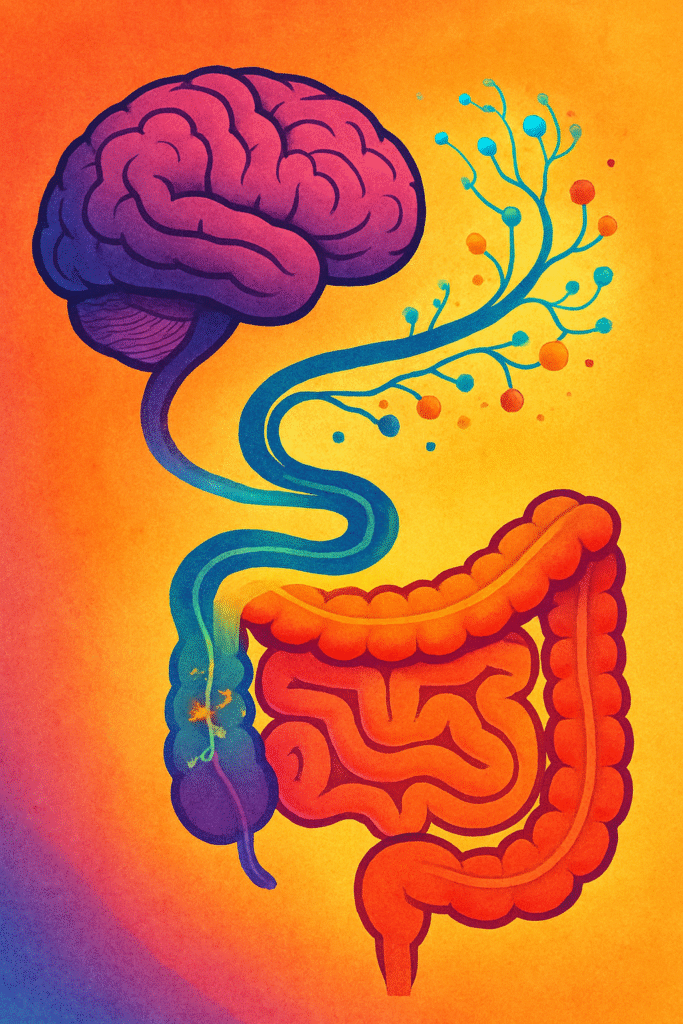
The Gut–Brain Axis: a two‑way conversation
The gut–brain axis (GBA) is a complex network of neural, hormonal, immune and metabolic pathways connecting the gastrointestinal tract and the brain. Signals travel along the vagus nerve – the primary nerve connecting the gut and brain – and through hormones and immune molecules produced in the gut. Emerging evidence shows that the gut microbiota and their metabolites can influence neurotransmitter production and neuroinflammation. Conversely, the brain can alter gut function and microbiota composition via stress hormones and neural signalling.
Researchers now refer to the microbiota‑gut‑brain axis as the “second brain” because the enteric nervous system contains over 100 million neurons and can function independently of the CNS. A balanced gut microbiota produces neurotransmitters such as serotonin, dopamine and GABA. About 90 % of the body’s serotonin is synthesised in gut enteroendocrine cells, and bacteria like Bacillus, Lactobacillus and Bifidobacterium can generate neurotransmitters themselves. Short‑chain fatty acids (SCFAs) – metabolites produced when beneficial bacteria ferment dietary fibre – reinforce the gut barrier and reduce neuroinflammation. Dysbiosis (an imbalance in the microbiome) can compromise gut integrity, increase inflammation and disturb neurotransmitter balance, contributing to anxiety, depression and cognitive problems.
New insights from recent research
Brain–stomach coupling and mental health
In 2025, researchers at Aarhus University used machine‑learning algorithms to analyse how the brain synchronises with stomach rhythms. Measuring brain activity and stomach “slow waves” in 243 participants, they found that stronger coupling was associated with higher levels of anxiety, depression and stress. These findings suggest that gastric rhythms may serve as biomarkers for mental distress and may become targets for future therapies.
Vagus nerve and serotonin interplay
Two 2025 reviews highlight the vagus nerve as a key conduit. One article notes that gut‑derived serotonin activates vagal afferent fibres, influencing emotional regulation, stress responses and immune function. Another review emphasises that vagus‑mediated pathways regulate food intake, fat metabolism and emotion and describes advances in vagus‑nerve stimulation therapies for obesity, gastrointestinal disorders and depression.
Immune and endocrine pathways
The gut microbiota influences immunity through pattern‑recognition receptors and cytokine signalling. Dysbiosis can trigger chronic inflammation, damage the blood–brain barrier and alter brain development. A 2025 review in Frontiers in Neuroanatomy summarises how SCFAs support the integrity of the blood–brain barrier and regulate microglia, while germ‑free animals show abnormal brain morphology.
Effects of long COVID
A 2024/2025 Stanford Medicine article reports that long‑COVID patients have reduced serotonin levels; in a mouse model, treatment with the antidepressant fluoxetine restored cognition. The article notes that gut microbes influence motivation to exercise and may contribute to Parkinson’s disease; high‑fibre and fermented diets help maintain a healthy microbiome and reduce inflammation.
How diet shapes the gut microbiome – and your mind
Diet plays a primary role in shaping the composition and function of the microbiome. Fibre‑rich foods act as prebiotics that feed beneficial bacteria, whereas processed foods high in sugar and saturated fats encourage pathogenic species and inflammation. Here is how different dietary patterns and nutrients influence the GBA:
High‑fibre and plant‑based diets
- Prebiotic fibres from fruits, vegetables, legumes and whole grains nourish bacteria such as Bifidobacterium and Lactobacillus; these bacteria ferment fibre into SCFAs that strengthen the intestinal barrier and regulate immunity.
- High‑fibre diets increase microbial diversity – an indicator of resilience – and are associated with lower risks of obesity, diabetes and cardiovascular disease.
- Plant‑based diets (vegetarian or vegan) promote beneficial bacterial populations, reduce pathobionts like Enterobacteriaceae and are linked to healthier metabolic profiles. Polyphenols found in berries, tea and olive oil support beneficial microbes and inhibit harmful species.
Mediterranean diet (MD)
- The MD emphasises fruits, vegetables, whole grains, nuts, olive oil and fish. This pattern increases the abundance of SCFA‑producing bacteria such as Bifidobacteria, Lactobacillus and Faecalibacterium prausnitzii, strengthening the gut barrier and reducing inflammation.
- Randomised trials show that adherence to the MD increases microbial diversity and the abundance of beneficial bacteria while lowering inflammatory metabolites like trimethylamine‑N‑oxide (TMAO).
Western diet – the “gut disruptor”
- Diets high in refined sugars and animal fats and low in fibre are associated with dysbiosis; they decrease microbial diversity and increase pathogenic bacteria such as Bacteroides and Alistipes.
- These diets promote systemic inflammation, increase gut permeability (“leaky gut”) and contribute to insulin resistance, fatty liver disease and mood disorders.
- Processed foods often lead to production of harmful metabolites like TMAO, which is linked to cardiovascular disease.
Key nutrients
- Omega‑3 fatty acids (EPA and DHA): These polyunsaturated fats are critical for neural membrane stability and have anti‑inflammatory properties. Clinical trials show that EPA reduces depressive symptoms and omega‑3 supplementation lowers anxiety and stress, particularly in high‑stress individuals. Omega‑3s also protect against neurodegenerative diseases like Alzheimer’s and Parkinson’s by reducing oxidative stress and supporting membrane fluidity. Typical therapeutic doses range from 1–3 g per day.
- Probiotics and prebiotics (psychobiotics): Specific strains of Lactobacillus and Bifidobacterium can reduce depression, anxiety and insomnia by modulating the HPA axis, reducing inflammatory markers (e.g., IL‑6), and increasing brain‑derived neurotrophic factor (BDNF). Clinical trials show that supplementation with a psychobiotic formulation (NVP‑1704) for eight weeks significantly improved mood and sleep in healthy adults. Prebiotics like inulin and fructooligosaccharides (found in onions, garlic and bananas) boost SCFA production and support gut barrier integrity.
- Polyphenols and antioxidants: Natural compounds in fruits, vegetables, tea and cocoa have antioxidant and anti‑inflammatory effects. They encourage growth of beneficial bacteria and reduce neuroinflammation.
- Tryptophan: This essential amino acid, a precursor for serotonin, is modulated by gut microbiota. Dysbiosis can disturb tryptophan metabolism and has been linked to depressive symptoms.
Practical tips to optimise your gut–and‑brain health
- Eat more plant foods: Aim for a variety of colourful vegetables, fruits, legumes and whole grains. These provide diverse fibres and polyphenols that feed beneficial microbes and produce SCFAs.
- Choose healthy fats: Incorporate omega‑3‑rich foods like fatty fish (salmon, sardines), flaxseeds and walnuts. Limit saturated and trans fats.
- Add fermented foods: Yogurt, kefir, kimchi, sauerkraut and tempeh contain live bacteria that may support gut diversity. Introduce them gradually to avoid digestive discomfort.
- Consider psychobiotics: Under the guidance of a healthcare professional, probiotics containing Lactobacillus and Bifidobacterium may reduce stress and improve mood. Combine them with prebiotic fibres.
- Reduce processed foods and sugar: Highly processed snacks, sodas and refined carbohydrates upset the microbial balance and promote inflammation. Replace them with whole foods.
- Manage stress: Chronic stress disrupts gut flora and increases inflammation. Mind–body practices like yoga, meditation and regular physical activity support vagus nerve function and healthy microbiota.
- Consult a professional: People with chronic illnesses, gastrointestinal disorders or psychiatric conditions should consult healthcare providers before starting new supplements or major dietary changes.
Conclusion
ThThe past two decades have revolutionised our understanding of the gut–brain axis, a bidirectional communication network linking the digestive tract with the central nervous system (CNS). Once thought to be independent, scientists now recognize that the gut’s “second brain” – the enteric nervous system and the trillions of microbes living inside us – can influence our mood, cognition and overall mental health.
The Gut–Brain Axis: a two‑way conversation
The gut–brain axis (GBA) is a complex network of neural, hormonal, immune and metabolic pathways connecting the gastrointestinal tract and the brain. Signals travel along the vagus nerve – the primary nerve connecting the gut and brain – and through hormones and immune molecules produced in the gut. Emerging evidence shows that the gut microbiota and their metabolites can influence neurotransmitter production and neuroinflammation. Conversely, the brain can alter gut function and microbiota composition via stress hormones and neural signalling.
Researchers now refer to the microbiota‑gut‑brain axis as the “second brain” because the enteric nervous system contains over 100 million neurons and can function independently of the CNS. A balanced gut microbiota produces neurotransmitters such as serotonin, dopamine and GABA. About 90 % of the body’s serotonin is synthesised in gut enteroendocrine cells, and bacteria like Bacillus, Lactobacillus and Bifidobacterium can generate neurotransmitters themselves. Short‑chain fatty acids (SCFAs) – metabolites produced when beneficial bacteria ferment dietary fibre – reinforce the gut barrier and reduce neuroinflammation. Dysbiosis (an imbalance in the microbiome) can compromise gut integrity, increase inflammation and disturb neurotransmitter balance, contributing to anxiety, depression and cognitive problems.
New insights from recent research
Brain–stomach coupling and mental health
In 2025, researchers at Aarhus University used machine‑learning algorithms to analyse how the brain synchronises with stomach rhythms. Measuring brain activity and stomach “slow waves” in 243 participants, they found that stronger coupling was associated with higher levels of anxiety, depression and stress. These findings suggest that gastric rhythms may serve as biomarkers for mental distress and may become targets for future therapies.
Vagus nerve and serotonin interplay
Two 2025 reviews highlight the vagus nerve as a key conduit. One article notes that gut‑derived serotonin activates vagal afferent fibres, influencing emotional regulation, stress responses and immune function. Another review emphasises that vagus‑mediated pathways regulate food intake, fat metabolism and emotion and describes advances in vagus‑nerve stimulation therapies for obesity, gastrointestinal disorders and depression.
Immune and endocrine pathways
The gut microbiota influences immunity through pattern‑recognition receptors and cytokine signalling. Dysbiosis can trigger chronic inflammation, damage the blood–brain barrier and alter brain development. A 2025 review in Frontiers in Neuroanatomy summarises how SCFAs support the integrity of the blood–brain barrier and regulate microglia, while germ‑free animals show abnormal brain morphology.
Effects of long COVID
A 2024/2025 Stanford Medicine article reports that long‑COVID patients have reduced serotonin levels; in a mouse model, treatment with the antidepressant fluoxetine restored cognition. The article notes that gut microbes influence motivation to exercise and may contribute to Parkinson’s disease; high‑fibre and fermented diets help maintain a healthy microbiome and reduce inflammation.
How diet shapes the gut microbiome – and your mind
Diet plays a primary role in shaping the composition and function of the microbiome. Fibre‑rich foods act as prebiotics that feed beneficial bacteria, whereas processed foods high in sugar and saturated fats encourage pathogenic species and inflammation. Here is how different dietary patterns and nutrients influence the GBA:
High‑fibre and plant‑based diets
- Prebiotic fibres from fruits, vegetables, legumes and whole grains nourish bacteria such as Bifidobacterium and Lactobacillus; these bacteria ferment fibre into SCFAs that strengthen the intestinal barrier and regulate immunity.
- High‑fibre diets increase microbial diversity – an indicator of resilience – and are associated with lower risks of obesity, diabetes and cardiovascular disease.
- Plant‑based diets (vegetarian or vegan) promote beneficial bacterial populations, reduce pathobionts like Enterobacteriaceae and are linked to healthier metabolic profiles. Polyphenols found in berries, tea and olive oil support beneficial microbes and inhibit harmful species.
Mediterranean diet (MD)
- The MD emphasises fruits, vegetables, whole grains, nuts, olive oil and fish. This pattern increases the abundance of SCFA‑producing bacteria such as Bifidobacteria, Lactobacillus and Faecalibacterium prausnitzii, strengthening the gut barrier and reducing inflammation.
- Randomised trials show that adherence to the MD increases microbial diversity and the abundance of beneficial bacteria while lowering inflammatory metabolites like trimethylamine‑N‑oxide (TMAO).
- Post
- Paragraph
Western diet – the “gut disruptor”
- Diets high in refined sugars and animal fats and low in fibre are associated with dysbiosis; they decrease microbial diversity and increase pathogenic bacteria such as Bacteroides and Alistipes.
- These diets promote systemic inflammation, increase gut permeability (“leaky gut”) and contribute to insulin resistance, fatty liver disease and mood disorders.
- Processed foods often lead to production of harmful metabolites like TMAO, which is linked to cardiovascular disease.
Key nutrients
- Omega‑3 fatty acids (EPA and DHA): These polyunsaturated fats are critical for neural membrane stability and have anti‑inflammatory properties. Clinical trials show that EPA reduces depressive symptoms and omega‑3 supplementation lowers anxiety and stress, particularly in high‑stress individuals. Omega‑3s also protect against neurodegenerative diseases like Alzheimer’s and Parkinson’s by reducing oxidative stress and supporting membrane fluidity. Typical therapeutic doses range from 1–3 g per day.
- Probiotics and prebiotics (psychobiotics): Specific strains of Lactobacillus and Bifidobacterium can reduce depression, anxiety and insomnia by modulating the HPA axis, reducing inflammatory markers (e.g., IL‑6), and increasing brain‑derived neurotrophic factor (BDNF). Clinical trials show that supplementation with a psychobiotic formulation (NVP‑1704) for eight weeks significantly improved mood and sleep in healthy adults. Prebiotics like inulin and fructooligosaccharides (found in onions, garlic and bananas) boost SCFA production and support gut barrier integrity.
- Polyphenols and antioxidants: Natural compounds in fruits, vegetables, tea and cocoa have antioxidant and anti‑inflammatory effects. They encourage growth of beneficial bacteria and reduce neuroinflammation.
- Tryptophan: This essential amino acid, a precursor for serotonin, is modulated by gut microbiota. Dysbiosis can disturb tryptophan metabolism and has been linked to depressive symptoms.
Practical tips to optimise your gut–and‑brain health
- Eat more plant foods: Aim for a variety of colourful vegetables, fruits, legumes and whole grains. These provide diverse fibres and polyphenols that feed beneficial microbes and produce SCFAs.
- Choose healthy fats: Incorporate omega‑3‑rich foods like fatty fish (salmon, sardines), flaxseeds and walnuts. Limit saturated and trans fats.
- Add fermented foods: Yogurt, kefir, kimchi, sauerkraut and tempeh contain live bacteria that may support gut diversity. Introduce them gradually to avoid digestive discomfort.
- Consider psychobiotics: Under the guidance of a healthcare professional, probiotics containing Lactobacillus and Bifidobacterium may reduce stress and improve mood. Combine them with prebiotic fibres.
- Reduce processed foods and sugar: Highly processed snacks, sodas and refined carbohydrates upset the microbial balance and promote inflammation. Replace them with whole foods.
- Manage stress: Chronic stress disrupts gut flora and increases inflammation. Mind–body practices like yoga, meditation and regular physical activity support vagus nerve function and healthy microbiota.
- Consult a professional: People with chronic illnesses, gastrointestinal disorders or psychiatric conditions should consult healthcare providers before starting new supplements or major dietary changes.
Conclusion
The gut–brain axis reveals an intimate connection between diet, microbes and mental health. Cutting‑edge research shows that the vagus nerve, microbial metabolites and immune pathways allow the gut to influence mood, cognition and even neurodevelopment. High‑fibre, plant‑based and Mediterranean diets nurture the microbiome, producing metabolites that strengthen the gut barrier and reduce neuroinflammation, while Western diets have the opposite effect. Nutrients such as omega‑3 fatty acids, prebiotics, probiotics and polyphenols can be harnessed as non‑invasive tools to improve mental well‑being. Although many findings are still emerging, nourishing your gut may be one of the most accessible strategies to support your mind.
By adopting a dietary pattern rich in fibre, healthy fats and fermented foods – and by reducing processed foods and managing stress – you can cultivate a healthier microbiome. This not only benefits your digestive system but may also bolster emotional resilience and cognitive function in our increasingly stressful world.e gut–brain axis reveals an intimate connection between diet, microbes and mental health. Cutting‑edge research shows that the vagus nerve, microbial metabolites and immune pathways allow the gut to influence mood, cognition and even neurodevelopment. High‑fibre, plant‑based and Mediterranean diets nurture the microbiome, producing metabolites that strengthen the gut barrier and reduce neuroinflammation, while Western diets have the opposite effect. Nutrients such as omega‑3 fatty acids, prebiotics, probiotics and polyphenols can be harnessed as non‑invasive tools to improve mental well‑being. Although many findings are still emerging, nourishing your gut may be one of the most accessible strategies to support your mind.
By adopting a dietary pattern rich in fibre, healthy fats and fermented foods – and by reducing processed foods and managing stress – you can cultivate a healthier microbiome. This not only benefits your digestive system but may also bolster emotional resilience and cognitive function in our increasingly stressful world.
Leave a Reply